STAFFING
We are dedicated to hiring first-class staff to maintain the high standards that we set ourselves at Greenfields. Majority of staff have an NVQ Level 2 or 3 in childcare or are working towards level 4/5. We are passionate in providing Continuous Professional Development to ensure that our staff provide the highest quality of care. Mandatory qualifications such as Paediatric first aid, Food hygiene and Safeguarding are refreshed as per the National Minimum Standards.
FOOD, DRINKS AND HEALTHY EATING
Breakfast, morning snack, lunch with pudding and afternoon snack are rotated on a two-weekly basis (a copy of our menu is available). Milk is served with breakfast and snacks. Water is provided at lunch time. The children have their own beakers in their departments and have access to fresh drinking water throughout the day.
We place a strong and important emphasis on healthy and well-balanced food. We follow the
Food and Nutrition for Childcare Settings, Best Practice Guidance for Wales. Breakfast and snacks are freshly prepared in the nursery kitchen with the main meals and puddings provided by Apetito Early Years Caterers. A member of staff is Agored Cymru Level 2 – Community Nutrition Skills for the Early Years accredited. (
apetito parent information pdf). Menus are reviewed seasonally, and we cater for all dietary needs.
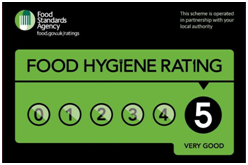
We are inspected annually by the Newport Authority Environmental team and have been awarded ‘Very Good’ 5 rating for the past 5 years.
 MESSY PLAY
Please be aware that the children will often be involved in messy activities and their clothes may get dirty or damp! We provide aprons but these are often not enough 😊
RISKY PLAY
It is becoming increasingly clear that risky play in the early years is a key part of any child’s development.
Risky play is thrilling and exciting. It’s got a risk of physical injury. It’s challenging, it tests limits and it helps children to establish boundaries. It could be climbing, sliding, balancing jumping, and hanging, rolling or using potentially dangerous tools.
Ellen Beate Hansen Sandseter, an expert in the area of risky play,
breaks it down into six main areas:
- Rapid speeds – This could be swinging or sliding or riding on something with wheels. Anything to get that thrill of speed.
- Dangerous tools – This might be knives and saws, drills and hammers or bigger tools. It’s all about the control of something dangerous and the excitement they feel in being trusted.
- Dangerous elements – These covers things like fire or deep bodies of water. The danger is fun!
- Rough and tumble – Children tend to prefer being chased or in a vulnerable position when they play rough and tumble – all the better because it’s harder to overcome and involves the most risk.
- Great heights – Going up high trees or buildings gives a huge feeling of achievement and some pretty good views.
- Disappearing or getting lost – Hide and seek gives children the temporary feeling of separation without any real danger of being forgotten.
And our roles as educators? To find the right balance. To ensure that children can enjoy all the benefits of risky play in the early years without any serious injuries really taking place.


